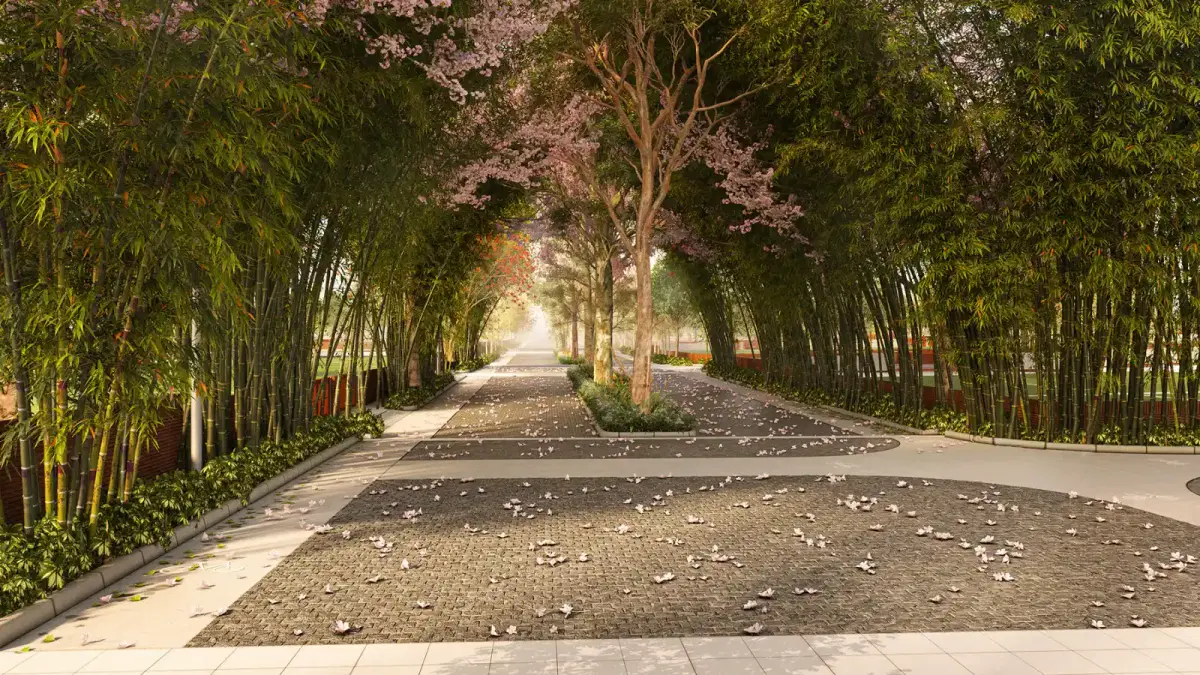
The fast evolution of master-planned plotted enclaves clearly illustrates how modern property investors prioritize land asset preservation over vertical construction options. Within highly competitive regional real estate growth micro-markets, validating developer credentials, regional employment drivers, and structural layout technology acts as the foundation for safe land acquisition. #link# serves as an active reference point for analyzing how localized infrastructure pushes organic demand for land. To gain an accurate understanding of these architectural environments, one must examine macro regional developments, localized structural blueprints, and underlying financial projections with extreme detail.
The Macro Economic Forces Reshaping Regional Land Valuation
The implementation of grand state-sponsored infrastructure assets, transforms agricultural or secondary land parcels into high-value residential zones. Empirical data from global real estate markets confirms that industrial employment corridors always precedes a sustained boom in residential plotted estate absorption. When an integrated township is built immediately adjacent to expanding aerospace special economic zones, the long-term capital appreciation trajectory becomes remarkably insulated from temporary localized supply spikes. Additionally, the consistent generation of high-paying tech check here jobs, aerospace engineering roles, and startup enterprise positions fuels an active purchasing cycle for premium land portfolios and custom villa developments. To truly map these appreciation models, staying updated on real estate pricing matrices remains essential.
Deconstructing Cluster Planning and Community Exclusivity Paradigms
The long-term asset value and physical durability of modern horizontal developments is directly determined by the underlying horizontal engineering utilized during the core development phase. Implementing wide internal road networks with standardized civil engineering precision minimizes future maintenance overhead while noticeably enhancing internal community infrastructure performance. Complementing these robust external layout methodologies, the technical specifications of truly luxury developments integrate smart city automated touchpoints, multi-tiered digital security hardware, and premium eco-friendly materials. Simultaneously, the overarching master plan philosophy is shifting decisively toward ultra-low-density configurations. When a grand 110 to 120-acre development restricts its total footprint to a highly limited number of residential units, the project successfully insulates its inhabitants from urban chaos, air pollution, and noise disturbances. These detailed structural parameters clearly separate authentic luxury real estate from standard mass-market developments.
Navigating Statutory Approvals, Land Documentations, and Risk Mitigation Checklists
For astute high-net-worth individuals evaluating long-term capital allocation options, capturing early-stage pre-launch inventory from a reputed multi-state developer minimizes capital entry risk. Entering a tier-1 development phase before the public distribution of marketing brochures allows early stage investors to capture a significant pricing buffer that compounds automatically as development reaches major milestones. Driven by the continuous arrival of high-earning corporate leadership professionals, local land markets provides long-term stability due to continuous physical development and high owner retention rates. The golden rule of modern property acquisition dictates that financial commitments must align with strict legal checks. Verifying complete state-specific real estate regulatory authority compliance, widely known as the RERA approval registration, ensures that the property asset remains entirely free from future litigation risks or ownership contestations.
The Modern Blueprint for Eco-Sustainable Enclaves and Wellness Facilities
The baseline requirements for elite residential assets have fundamentally expanded into the surrounding ecosystem. The seamless integration of custom home construction design choices, introduces a sophisticated layer of convenience, energy conservation, and round-the-clock family protection. Simultaneously, the physical amenity landscape within premium gated enclaves is undergoing a complete structural revolution. Creating expansive children play zones, dedicated senior citizen security seating areas, and pet-friendly micro-parks, modern townships match the precise lifestyle demands of C-suite executives and business leaders. In addition to this, implementing zero-waste rainwater harvesting models and sustainable solar energy networks eliminates daily travel friction, converting the development into a true city-within-a-city ecosystem.
Strategic Conclusion for Astute Long-Term Property Acquisition
To summarize, securing maximum long-term wealth generation through property investments requires a methodical checklist: undivided land share protections, long-term asset compounding capacity, and localized employment trends. Capital allocators who aggressively target early-stage entry pricing within low-density integrated townships will successfully future-proof their capital holdings against urban congestion and economic adjustments. Driven by ongoing airport corridor development and extensive corporate office space absorption, property holdings situated within well-connected residential hubs are guaranteed to dominate the regional real estate market.